
 (515) 444-4000
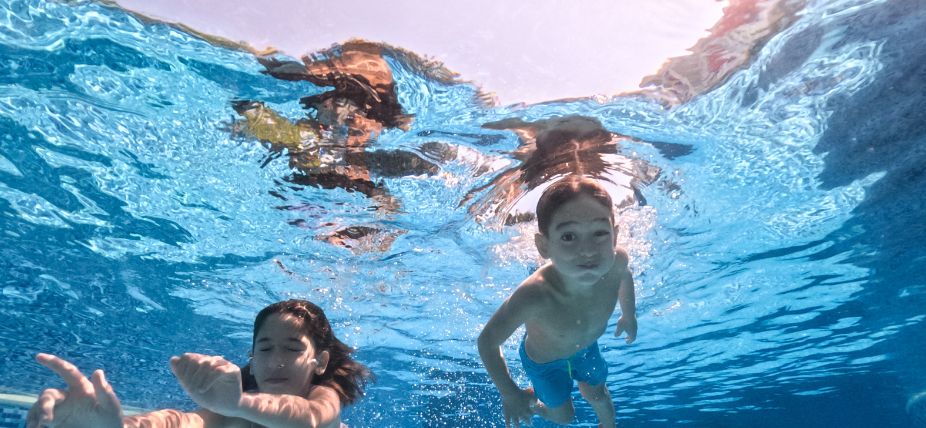
Swimming pool accidents can be catastrophic, resulting in drowning, near-drowning, traumatic brain injuries (TBIs), and broken bones. Children are especially vulnerable to these accidents because they are often unaware of the dangers swimming pools pose.
When a family member experiences a near-drowning or a serious slip-and-fall injury at a pool, families can face uncertainty and significant financial stress. If you or a loved one has been injured in a swimming pool accident due to someone else’s negligence, you may be entitled to financial compensation. Consulting with a skilled and experienced premises liability lawyer can help protect your legal rights. Contact us today to schedule a free case review.
Dangers in and Around Swimming Pools
Because of deep water and slick surfaces, swimming pools have inherent dangers. Both public and private pools are settings where serious injuries can occur, especially when the following factors are present:
- Lack of fencing around the pool
- Wet surfaces or inadequate drainage
- Lack of caution and warning signs
- Lack of adequate lighting
- Lack of supervision or lifeguards, especially if the pool is used by children
- Lack of emergency protocols or safety equipment, such as life preservers
- Faulty or unmaintained pool-related equipment, such as pool ladders, drains, diving boards, water chemical treatments, electrical wiring, etc.
Common Injuries Suffered in Omaha Swimming Pool Accidents
There are several common injuries that an adult or child can suffer at a swimming pool. Some of these include:
- Near-drowning or drowning
- Diving accidents
- Head injuries/TBIs
- Slip and fall accidents
- Broken bones
- Electrocution
- Spinal cord injuries/paralysis
- Chemical burns
- Skin, eye, and respiratory injuries from over-chlorination
- Oxygen deprivation resulting in brain damage
Potential Responsible Parties in a Swimming Pool Lawsuit
It’s not uncommon for swimming pools to lack at least one required safety measure, like fencing, warning signs, or regular maintenance. When swimming pools aren’t properly maintained and secured, the danger increases. If an adult or child is injured in a swimming pool accident, one or more parties may be at fault. These include:
- Lifeguards
- Property owners
- Maintenance contractors
- Chemical manufacturers
- Management companies
- Equipment manufacturers
- Government entities (if it is a public or school swimming pool)
An experienced premises liability lawyer can prove negligence in swimming pool injury cases and build a strong legal claim on your behalf. Through aggressive representation, your attorney can help ensure that the at-fault party or parties are held accountable.
Omaha Medical Centers Where Swimming Accidents Can Be Treated
Swimming pool injuries require immediate and specialized medical attention. The following Omaha-area medical facilities are equipped to treat these injuries:
- Nebraska Medicine – Nebraska Medical Center (Level I Trauma Center): Nebraska Medicine is a Level I Trauma Center capable of treating both adult and pediatric patients. It provides the highest level of comprehensive care for life-threatening injuries, with immediate access to trauma surgeons, operating rooms, and highly skilled specialists.
- CHI Health Creighton University Medical Center – Bergan Mercy (Level I Trauma Center): CHI Health Creighton University Medical Center – Bergan Mercy is a Level I Trauma Center in Omaha. It is recognized in the region for its management of orthopedic trauma. The facility mobilizes for life-threatening injuries and includes a nationally certified burn center, which is relevant for pool electrocution accidents.
- CHI Health Trauma Program (Full System): The CHI Health trauma program spans multiple Omaha-area locations and includes an in-network nationally certified rehabilitation center. The trauma team performs rapid assessments for a priority-based plan of care based on injury type, extent, and severity. Rehabilitation services can be provided for swimming pool accident survivors who need extended care.
Attractive Nuisance Doctrine in Nebraska
The attractive nuisance doctrine is a legal principle that holds property owners liable for injuries to children who are attracted onto their property by dangerous conditions, even when the child was technically trespassing. The doctrine is specifically designed to protect children who, due to their youth and immaturity, are unable to fully appreciate the risks posed by hazardous conditions.
Swimming pools are among the most frequently litigated attractive nuisance cases nationwide, and they are explicitly recognized as potential attractive nuisances. In Nebraska, residential pools are subject to local fencing and enclosure requirements designed to restrict unauthorized access by children.
Because pools attract children who may not understand the danger, property owners can be held responsible for failing to properly secure them. A skilled attorney knows how to use the attractive nuisance doctrine to help prove a client’s personal injury claim.
City of Omaha Parks and Recreation Department Aquatic Rules and Regulations
The City of Omaha Parks and Recreation Department publishes official rules for all public pools, including supervision requirements. Some of these rules include:
- Talking to or distracting the lifeguards who are on duty is not allowed.
- During rest breaks, persons under 18 must stay at least 4 feet from the pool’s edge.
- Only U.S. Coast Guard-approved flotation devices are allowed.
- Dunking is prohibited.
- Back dives or flips from the pool deck are prohibited. Front dives are permitted in areas 5 feet or deeper.
- Children aged 9 or younger must be accompanied by a parent or responsible individual at least 16 years old.
- Children aged 5 or younger must remain within arm’s reach of a parent or responsible individual at least 16 years old. If the child is in the water, the adult/responsible party must also be in the water.
- No running, boisterous, or rough play, except supervised water sports, is permitted in the pool or on the runways, diving boards, floats, platforms, or in the dressing rooms.
- Riding on a person’s shoulders or doing “piggy-back rides” is prohibited.
Lifeguard Training and Swim Lessons in the Omaha Area
To maximize swimming pool safety, properly trained lifeguards and swimming lessons for adults and children are essential. The following swimming and lifeguard resources are available in the Omaha area.
Swim Lessons – City of Omaha Parks and Recreation
The City of Omaha offers year-round swimming lessons for all ages, from Adult/Tot (6 months–3 years) through adult beginner programs. The lessons emphasize water safety alongside skill development, with courses at Common Ground, Mockingbird, Montclair, and outdoor pools in summer. For questions, contact swimlessons@cityofomaha.org.
Aquatic Special Events – City of Omaha
The City of Omaha offers free hands-only CPR demonstrations and water-safety events throughout the season, including the “Josh the Otter” program that teaches young children basic water-safety skills.
American Red Cross Lifeguard Training in Omaha
The American Red Cross provides comprehensive lifeguard certification in Omaha for shallow and deep water, combining online, classroom, and in-person skills sessions. Courses include CPR and First Aid training, with certifications valid for two years.
Contact MSMC Injury Lawyers in Omaha Today
If you or a loved one has been injured in a swimming pool accident in Omaha due to someone else’s negligence, you may be entitled to financial compensation. The attorneys at MSMC Injury Lawyers fight for your legal rights to help you get the justice you deserve.
Our caring and professional legal team understands that our clients have experienced serious injuries and difficulties, so we treat every client with compassion and dignity. To find out more about how we can help, contact us today for a free initial consultation about your case.
CASES WE HANDLE
We Help You Navigate What’s Next.
Call Us Today! (515) 444-4000Case Results

$10 Million
Truck Accidents
$5 Million
Truck Accidents

$2 Million
Wrongful Death

$1.3 Million
Workers’ Compensation
Our Attorneys

Adam Bates

Nick Cooling

Connor Mulholland

Alex Cardenas