 (515) 444-4000
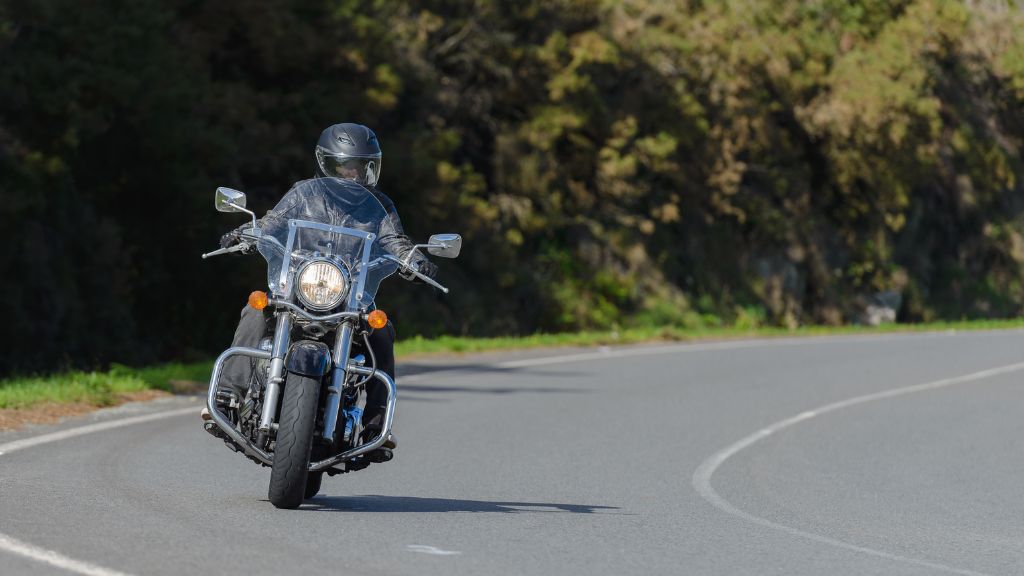
Motorcycles offer freedom and efficiency on the road, but they also leave riders far more exposed to injury in crashes than drivers in passenger vehicles. Because riders lack the protection of a car’s frame, airbags, or seat belts, even a relatively minor collision can lead to serious or life-threatening injuries.
Dealing with medical care, bills, and insurance claims after a motorcycle crash can leave accident victims and their families reeling. MSMC Injury Lawyers has the experience to guide you through this tough time. Contact us today to schedule a free, no-obligation consultation.
Motorcycle Crash Statistics and Trends
Motorcycle crashes occur throughout Iowa, including on Des Moines’ busy roads, such as I-235 and I-80, and at major city intersections.
According to the Iowa Department of Transportation, 38 motorcyclists were killed on Iowa roads in 2025. That was a decrease of 40.6% over 2024. Motorcycles accounted for 14.7% of all traffic fatalities statewide, despite representing only 4% of vehicles on the road.
Understanding the most common types of motorcycle accidents can help riders stay alert to potential dangers and better protect their rights if a crash occurs.
While collisions can occur in many ways, certain patterns appear repeatedly on Iowa roads. Our Des Moines motorcycle accident lawyers frequently see the following five types of accidents.
1. Single-Vehicle Motorcycle Crashes
Not every motorcycle accident involves a collision. In some cases, a rider may lose control and crash without direct contact with another vehicle.
Single-vehicle accidents often occur due to factors such as:
- Poor road conditions, including potholes or loose gravel
- Sudden obstacles in the roadway, such as fallen cargo
- Wet or icy pavement
- Mechanical failures
- Excessive speed or sharp curves
Because motorcycles require precise balance and control, hazards that may be minor for cars can pose serious risks for riders.
Although these crashes sometimes involve rider error, other parties may still be responsible. For example, poorly maintained roads, defective motorcycle components, or construction debris may contribute to the accident.
Riders can also be injured in a “no contact” crash, where another driver’s negligence forces a rider to crash while trying to avoid a direct collision. Examples can include swerving off the road or into oncoming traffic while trying to avoid another vehicle abruptly braking or changing lanes without signaling or cause.
Speaking to an experienced motorcycle accident lawyer can help you determine if another party can be held liable for your crash.
2. Left-Turn Collisions
Left-turn accidents are one of the most common types of motorcycle crashes involving another vehicle.
These collisions typically happen when a car turns left at an intersection and crosses into the path of an oncoming motorcycle traveling straight. In many cases, the driver fails to notice the rider or misjudges the motorcycle’s speed.
Common causes include:
- Drivers failing to yield the right of way
- Distracted driving
- Drivers misjudging distance or speed
- Poor visibility at intersections
Because these accidents often occur at intersections, the impact can be severe, potentially throwing the rider from the motorcycle and even putting them at risk of a second collision.
3. Rear-End Motorcycle Accidents
Rear-end collisions can be particularly dangerous for motorcyclists. Unlike drivers in passenger vehicles who have bumpers and seat belts for protection, a rider struck from behind may be thrown from their bike or crushed between vehicles.
Rear-end motorcycle crashes often occur when drivers:
- Follow too closely
- Drive while distracted by phones or other devices
- Fail to notice a motorcycle slowing or stopping
- Drive under the influence of alcohol or drugs
In busy traffic areas around Des Moines, rear-end accidents can happen quickly when drivers are not paying full attention to the road, such as during sudden traffic slowdowns on I-235 or near crowded city intersections.
In many cases, rear-end collisions occur because drivers fail to maintain a safe following distance, which may make them legally responsible for the wreck and the injuries that follow.
4. Lane-Change or Blind-Spot Collisions
According to the National Highway Traffic Safety Administration, motorcycles are smaller and more difficult for drivers to see, which increases the risk of lane-change and sideswipe collisions. Because of this, riders are vulnerable when other drivers change lanes without checking their mirrors or blind spots.
These accidents may occur when:
- A driver merges into a motorcycle’s lane
- A vehicle sideswipes a rider while changing lanes
- Drivers fail to signal before moving over
Blind-spot collisions are common on highways and multi-lane roads with heavy traffic. On busy Des Moines routes such as I-235 and I-80, motorcycles can be difficult to see in mirrors or blind spots, increasing the risk of sideswipe or lane-change crashes.
5. Dooring Accidents
Dooring accidents happen when someone inside a street-parked vehicle opens a door into the path of an approaching motorcycle. Because riders often travel alongside parked cars, they may have little time or space to react when a door suddenly swings open.
Dooring accidents may happen when:
- Drivers fail to check mirrors before opening a door
- Passengers exit a vehicle without looking for approaching motorcycles
- Vehicles are parked along narrow city streets
- Riders have limited space to maneuver away from the door
When a door suddenly opens into traffic, a motorcyclist may collide with the door or swerve into another lane to avoid it, potentially causing a serious crash.
Serious Injuries Common in Motorcycle Accidents
Because motorcycles offer little physical protection during a crash, accidents frequently lead to severe or life-altering injuries. Without the protection of a vehicle’s frame, riders absorb much of the force of a crash. Even when they wear helmets and protective gear, a collision can still cause devastating injuries.
Common motorcycle accident injuries include:
- Traumatic brain injuries and head trauma
- Broken bones and fractures
- Spinal cord injuries and paralysis
- Road rash and severe abrasions
- Internal bleeding or organ damage
These injuries often require extensive medical treatment, rehabilitation, and time away from work.
What to Do After a Motorcycle Accident
After a motorcycle crash, the steps you take immediately afterward can protect both your health and your legal rights.
If possible:
- Seek medical care immediately, even if injuries appear minor
- Call law enforcement so a crash report can be created
- Take photographs of the accident scene, vehicles, and road conditions
- Collect contact information from witnesses
- Avoid discussing fault at the scene
Prompt medical evaluation is important because some serious injuries may not be immediately apparent, such as concussions, internal bleeding, or spinal injuries.
Compensation After a Motorcycle Accident
Motorcycle accident victims may be entitled to compensation when another driver’s negligence causes a crash.
A claim may include compensation for:
- Medical expenses
- Lost wages or reduced earning ability
- Property damage
- Pain and suffering
- Long-term care or rehabilitation costs
Because insurance companies often attempt to minimize payouts, working with an experienced Des Moines motorcycle accident lawyer can help ensure your rights are protected.
Speak With Our Des Moines Motorcycle Accident Lawyers About Your Claim
Motorcycle crashes can leave riders facing overwhelming medical bills, lost income, and a long recovery process.
Motorcycle accident claims can become complicated, especially when insurance companies try to shift blame onto the rider. Having the right legal support can make a critical difference in protecting your rights and pursuing full compensation.
The team at MSMC Injury Lawyers understands the challenges and biases motorcycle accident victims face and has experience investigating crashes, gathering evidence, and negotiating with insurance companies.
If you or a loved one has been injured in a motorcycle accident in Des Moines or anywhere in Iowa, contact our team for a free case review. Our attorneys can explain your legal options and help you pursue the compensation you may be entitled to.


Categories

Providing Unmatched EXPERIENCE On Your Case When you find yourself in a situation where you’ve been treated unfairly or you’re in the middle of a legal disagreement, it can be difficult to know what your rights are and how to proceed.